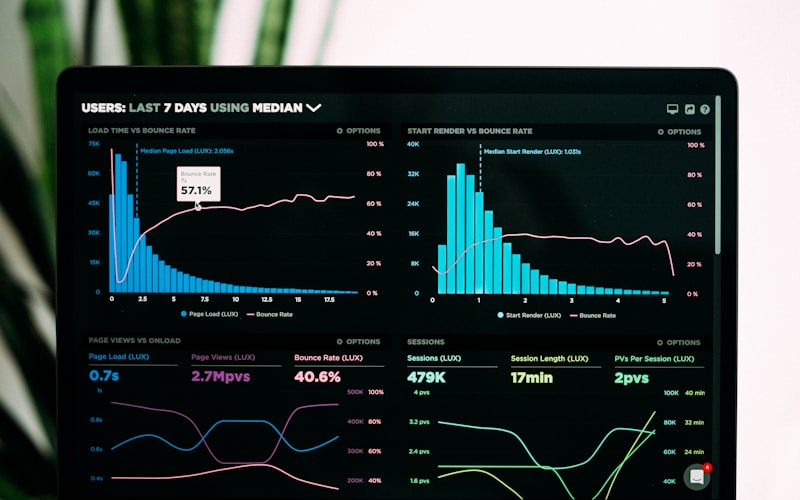

Your pricing page is where browsers become buyers. Discover the layout and psychology tricks that maximize SaaS revenue.
In B2B SaaS, the pricing page is the ultimate moment of truth. If the page is confusing, overly complex, or fails to communicate value, prospects will bounce to a competitor. Here is how to optimize your pricing page for maximum conversions.
1. The Decoy Effect (The 3-Tier Model)
Never offer just one price. Always offer three tiers. If you offer a $10/mo plan and a $100/mo plan, users will default to the $10 plan. But if you introduce a $250/mo “Enterprise” plan, suddenly the $100/mo plan looks like a reasonable, middle-ground compromise. This is the Decoy Effect.
2. Highlight the “Recommended” Plan
Don’t make the user guess which plan is right for them. Visually highlight the middle tier (your most profitable target plan). Make the box slightly larger, give it a contrasting border, and add a “Most Popular” badge. This leverages social proof to guide the user’s decision.
3. Annual vs. Monthly Toggles
Annual subscriptions are the lifeblood of SaaS cash flow. You want users to pay upfront. Provide a toggle at the top of the pricing table that switches between Monthly and Annual billing. Default the toggle to Annual, and explicitly highlight the savings: “Save 20% with Annual Billing.”
4. Feature Checkmarks, Not Walls of Text
Do not write paragraphs explaining what is included in each tier. Use a simple, scannable bulleted list with green checkmarks. If you have a massive matrix of enterprise features, hide them behind a “View Full Feature Comparison” dropdown so you don’t overwhelm the casual buyer.
5. Reverse the Risk
Right below your pricing tiers, answer the three most common objections:
- “Can I cancel anytime?”
- “Do I need a credit card for the free trial?”
- “What happens if I go over my usage limit?” Answering these clearly reduces purchase anxiety and drives clicks.